How to Transition Your Pet to a New Food Without Upsetting Their Stomach
Updated: Mar 23
Switching your pet's food seems simple. Buy new bag. Pour new food. Done. Except that's usually when the diarrhea starts. Or the vomiting. Food transitions are one of the most common reasons I see upset stomachs in otherwise healthy pets, and it's almost always preventable.

Why Gradual Transitions Matter
Pets have sensitive digestive systems that adapt slowly to new ingredients and nutrient profiles. Abrupt changes disrupt the balance of gut bacteria and digestive enzymes. A gradual transition gives the digestive system time to adjust, reducing the risk of:
Diarrhea or loose stools
Vomiting
Gas or bloating
Loss of appetite
The 7 to 10 Day Timeline
The ideal transition period usually lasts 7 to 10 days. Here's a common schedule to follow:
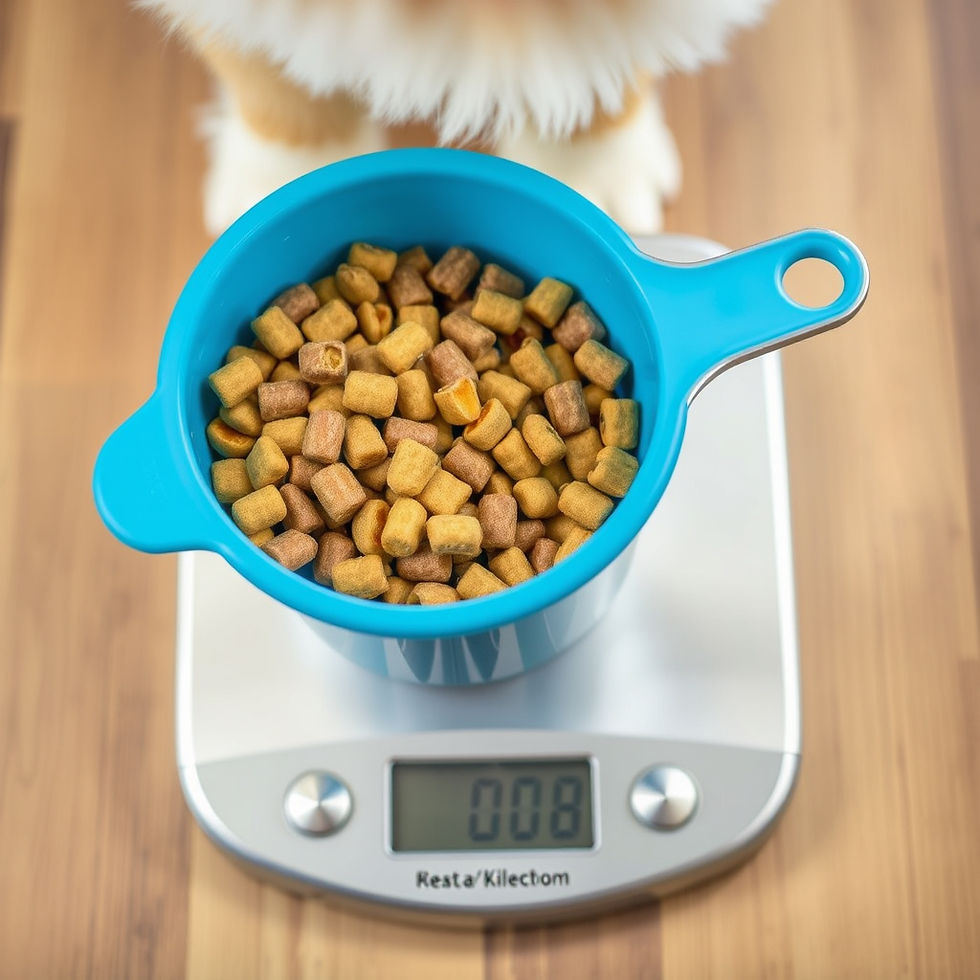
Days 1 to 3: 75% old food, 25% new food
Days 4 to 6: 50% old food, 50% new food
Days 7 to 9: 25% old food, 75% new food
Day 10: 100% new food
If your pet shows signs of digestive upset at any stage, slow down. Extend each phase for a few more days until they adjust comfortably. Some pets, especially those with sensitive stomachs, may need two to three weeks total.
Signs of Digestive Upset to Watch For
Knowing when your pet is struggling helps you adjust the pace. Common signs include:
Loose or watery stools
Vomiting or gagging
Excessive gas or bloating
Decreased appetite or refusal to eat
Lethargy or unusual behaviour
If mild symptoms appear, pause the transition and maintain the current ratio for a few extra days. If symptoms worsen or persist beyond a week, contact your veterinarian.

When to Slow Down the Transition
Every pet is different. Slow down the transition if:
Your pet has a history of sensitive digestion
You see repeated diarrhea or vomiting
Your pet refuses the new food
There is a noticeable change in energy or mood
In these cases, extend each phase to 4 to 5 days or longer. You can also try mixing the new food with a bit of warm water or low-sodium broth to make it more appealing.
When to Contact a Veterinarian
Contact your vet if your pet experiences:
Persistent vomiting or diarrhea lasting more than 48 hours
Signs of dehydration: dry gums, sunken eyes, lethargy
Blood in stool or vomit
Refusal to eat for more than 24 hours
Common Mistakes to Avoid
Switching abruptly. Going from 100% old to 100% new overnight is the most common cause of upset stomach.
Ignoring signs of discomfort. Some owners push through symptoms without slowing down. Pay attention to your pet's reactions.
Overfeeding treats or table scraps. Extra snacks can interfere with digestion and mask symptoms. Keep treats minimal during the transition.
Changing multiple things at once. Switching food and introducing new supplements or medications simultaneously makes it hard to identify the cause of upset. Change one thing at a time.
Switching foods is normal. Upset stomachs don't have to be. Measure carefully, transition gradually, watch stool quality, and adjust as needed. Slow and steady wins this one.


Comments