Is My Pet Overweight and How Can I Tell from Home
Updated: Mar 23
If you've ever looked at your dog or cat and thought "are they a little chunky?" you're not alone. Pet obesity is incredibly common. Not because people don't care, but because weight gain happens slowly. A few extra treats here. A slightly bigger scoop there. A quieter winter. Less activity as they age. And suddenly the scale is telling a different story.
The good news is you can actually assess your pet's weight at home. No fancy equipment needed: just your hands and your eyes.

Why Is Pet Obesity So Common?
Many pets today live indoors, get fewer walks, and eat more calorie-rich food than they burn off. Weight gain happens slowly, which makes it easy to miss. Other contributing factors include:
Portion confusion. Treats and table scraps add calories without owners realizing.
Lack of exercise. Busy schedules or bad weather can reduce playtime and walks.
Age and metabolism. Older pets burn fewer calories and may gain weight more easily.
Breed tendencies. Some breeds naturally carry more weight or have slower metabolisms.
Medical issues. Conditions like hypothyroidism or certain medications can cause weight gain.
How to Check Your Pet's Body Condition at Home
The Body Condition Score (BCS) system is a simple way to assess your pet's shape and feel. Here are three easy checks:
1. Rib Check
Gently run your hands along your pet's sides, just behind the front legs.
You should be able to feel the ribs easily without pressing hard
If you can't feel ribs or feel a thick layer of fat over them, your pet may be overweight
If ribs are very prominent and easy to see, your pet might be underweight
2. Waist View from Above
Look down at your pet while they stand. A healthy pet has a visible waistline that narrows behind the ribs. If the waist is missing or the body looks round from above, that's a sign of extra weight.
3. Side Profile Check
Look at your pet from the side. You should see a tuck-up where the belly goes up from the ribs to the hips. A flat or bulging belly means your pet is likely carrying extra fat.

Common Mistakes Pet Owners Make
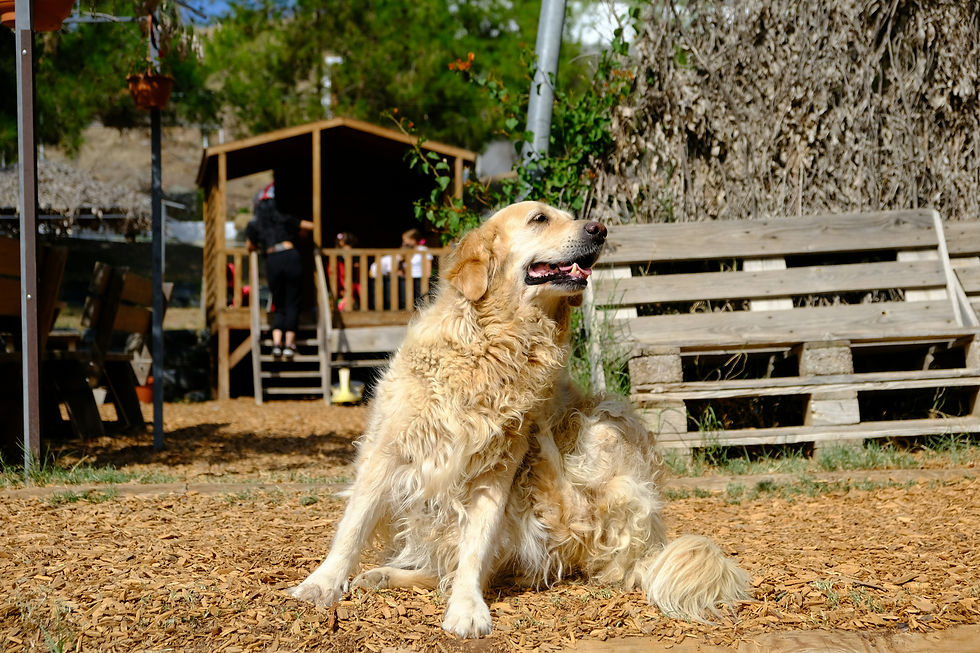
Confusing fluff for fat. Long-haired pets can look bigger but may not be overweight.
Overfeeding treats. Treats should make up less than 10% of daily calories, but many owners give more.
Not measuring food. Free-feeding or guessing portions can lead to consistent overfeeding.
Ignoring slow weight gain. Small increases over months add up but are easy to overlook when you see your pet every day.
Health Risks of Excess Weight
Carrying extra weight puts stress on your pet's body. It can lead to:
Joint problems. Extra pounds strain hips, knees, and spine, causing arthritis or pain.
Heart and lung issues. Obesity makes it harder for the heart and lungs to work efficiently.
Diabetes. Overweight pets are more likely to develop insulin resistance.
Decreased lifespan. Studies show obese pets often have shorter lives than healthy-weight pets.
Simple First Steps to Help Your Pet Lose Weight Safely
If your checks show your pet is overweight, don't panic. Small changes can make a big difference:
Adjust Food Portions
Use a measuring cup to feed exact portions based on your vet's recommendations
Switch to a weight management or lower-calorie food if advised
Cut back on treats or replace them with healthy options like small pieces of carrot or apple
Increase Activity Gradually
Add short, fun walks or play sessions daily
Use toys that encourage movement: laser pointers for cats, fetch for dogs
Avoid sudden intense exercise to prevent injury
Track Progress and Work With Your Vet
Weigh your pet every 2 to 4 weeks if possible and take photos from the same angles to see changes
Before starting any weight loss plan, check with your vet to rule out medical causes
Your vet can help set a safe target weight and timeline

If it helps to have somewhere to keep it all in one place, the Pet Nutrition and Weight Planner gives you feeding schedules, body condition tracking, and a weight log so you can actually see the slow, steady progress as it happens.
Helping your pet lose weight is a journey, not a quick fix. Every small step counts. Even a few minutes of extra play or a small food adjustment helps. Your pet's health is worth the effort, and you're already doing a great job by caring enough to learn.


Comments